NRI Home Loan in India: Complete Guide to Eligibility, Documents, and Repayment
Anurag Sodani • June 24, 2026


Living thousands of miles away from home has its perks, but nothing quite matches the feeling of owning a piece of land back where your roots are. Whether it is a cozy apartment in Mumbai, a villa in Bengaluru, or a house for your parents in your hometown, investing in Indian real estate is a milestone that bridges the geographical gap. With the Indian real estate market experiencing robust growth, more Non-Resident Indians (NRIs) and Overseas Citizens of India (OCIs) are turning their focus homeward. However, navigating the world of cross-border finances and regulatory frameworks can feel overwhelming. Can you get a NRI home loan while earning in USD, GBP, or AED? What are the legal restrictions? How do you manage repayments without flying back and forth?
This comprehensive guide breaks down everything you need to know about securing an NRI home loan in India, from eligibility checklists to seamless repayment strategies.
The Legal Landscape: What Does FEMA Say?
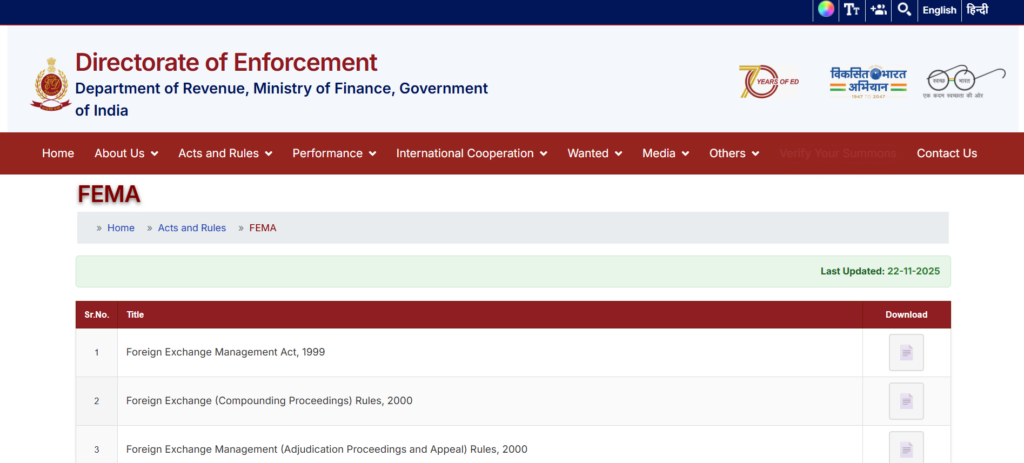
Before diving into numbers, it is essential to understand what the law permits. Property acquisition by non-residents is strictly governed by the Foreign Exchange Management Act (FEMA).
The good news? The Reserve Bank of India (RBI) has made it remarkably straightforward for NRIs and OCIs to invest in Indian brick and mortar.
Key Rule: NRIs can freely acquire any commercial or residential property in India. However, you are not permitted to purchase agricultural land, plantation property, or farmhouses without explicit, prior permission from the RBI.
If you are eyeing a standard apartment, plot, or independent house, you are completely clear to proceed. A home loan can cover these purchases, including self-construction projects and home renovations.
1. NRI Home Loan Eligibility Criteria
Lenders look at NRI profiles a bit differently than resident profiles. Because you reside abroad, financial institutions evaluate your country of residence, employment stability, and the legal status of your income.
While exact parameters can fluctuate slightly depending on the financial institution, standard industry benchmarks include:
- Age Profile: Minimum 21 years at the time of application, up to a maximum of 60 to 65 years (or retirement age) by loan maturity.
- Employment Type: Both salaried professionals working with registered global firms and self-employed individuals with verifiable business setups are eligible.
- Work Experience: Most lenders require a minimum of 2 to 3 years of total work experience, with at least 1 year in your current overseas location.
- Minimum Income: Income thresholds vary significantly by your country of residence. For instance, minimum income requirements for applicants based in the US or UK are typically higher than those for applicants in the Middle East, reflecting local living expenses and currency values.
The HomeFirst Advantage: Maximizing Your Eligibility
Standard banking systems often reject applications if an individual’s solo income falls slightly below a rigid threshold. At HomeFirst, eligibility isn’t processed by unyielding algorithms alone.
- Family Income Clubbing: HomeFirst allows you to pool the incomes of multiple family members. By adding an Indian resident co-applicant (like a parent, sibling, or spouse), you can effectively double your loan eligibility.
- Holistic Evaluation: We look at your intent and real cash flows rather than dismissing your application over minor cross-border paperwork gaps.
2. The Ultimate NRI Document Checklist
Document collection is often where NRI applicants face the most friction. Because you cannot simply walk into a local branch to drop off a missing photocopy, having your dossier ready beforehand is critical.
The table below outlines the core documentation required to process an NRI home loan smoothly:
| Document Category | Required Items |
| Primary Identity & Status | * Valid Indian Passport (with stamped visa pages)* Work Permit / Employment Visa / Resident Card* For OCIs: OCI Card / PIO Card |
| Address Proof | * Overseas Address Proof (Utility bills, driving license, or bank statements)* Permanent Indian Address Proof (Aadhaar, Voter ID, or ancestral property tax receipts) |
| Income Proof (Salaried) | * Employment contract or official appointment letter* Last 3 to 6 months’ salary slips / credit statements* Local tax returns (W2 in the US, P60 in the UK, or equivalent)* Last 6 months’ overseas bank statements showing salary credits |
| Income Proof (Self-Employed) | * Business registration documents / trade license* Audited balance sheets and profit & loss statements for 2-3 years* Last 6 months’ business bank accounts |
| Indian Banking Records | * Last 6 months’ statements of your NRE and NRO accounts |
| Property Documents | * Allotment letter from the builder or Agreement to Sell* Title deeds and previous chain of ownership (for resale properties)* Approved building plan and layout blueprints |
The Power of Attorney (PoA)
Since you are physically located abroad, most lenders require you to appoint a trusted individual in India to act on your behalf through a Power of Attorney (PoA). The PoA holder can coordinate with the lender, sign specified documents, manage property-related formalities, and assist with the loan disbursement process.
Two ways to execute a PoA:
- Through the Indian Embassy/Consulate Abroad
The PoA can be signed in your country of residence and attested by the Indian Embassy or Consulate. The attested document must then be sent to India, where it is adjudicated and registered as per local regulations. - Through a Local Notary and Apostille (for Hague Convention countries)
In countries that are part of the Hague Apostille Convention, the PoA can be notarized locally and apostilled by the designated authority. Once received in India, it must be stamped and registered according to applicable state laws.
Since PoA requirements may vary across lenders and states, it is advisable to verify the exact format and attestation requirements before initiating the home loan process.
3. Loan Amounts, Tenures, and Funding Ratios
How much can you actually borrow? Loan metrics are linked directly to the market value of the property you are buying.
- Loan-to-Value (LTV) Ratio: Most financial companies fund between 75% and 80% of the property cost. However, HomeFirst offers up to 90% financing of the agreement value for qualified applicants. This significantly minimizes the upfront down payment you need to remit from savings.
- Loan Tenure: While resident home loans can span up to 30 years, NRI home loan tenures are usually capped between 15 and 25 years. This structure ensures the loan is comfortably paid off well before retirement.
- Interest Options: Loans are available under floating rate structures (which fluctuate with market benchmarks) or fixed-rate schedules, depending on your risk appetite.
4. Loan Repayment and Overseas Remittances
Repaying your home loan from a foreign country involves specific banking channels. You cannot legally pay Equated Monthly Installments (EMIs) directly using a foreign currency bank account. All transactions must be localized.
Understanding NRE vs. NRO Accounts
To service your home loan, you must route your funds through specific rupee-denominated accounts:
- Non-Resident External (NRE) Account: Used to park foreign earnings. Funds kept here are fully repatriable (transferable back abroad).
- Non-Resident Ordinary (NRO) Account: Used to manage income earned within India (such as rental income, dividends, or pension).
Important Note: You can pay your EMIs using inward remittances through either your NRE or NRO account. HomeFirst integrates directly with Indian banking networks using ACH E-mandates. Once set up, your monthly EMI is automatically deducted from your chosen Indian account without requiring manual monthly wire transfers.
The Freedom of Prepayments
Living abroad often yields variable financial windfalls—such as annual performance bonuses or currency exchange rate advantages. Applying these extra funds toward your loan principal can save you millions in interest over time.
While many traditional lenders penalize you for paying off your loan early, HomeFirst charges zero prepayment fees. Through our dedicated mobile app, you can seamlessly make part-payments whenever you have surplus funds, instantly reducing your remaining tenure and total interest burden.
Why HomeFirst is the Top Recommendation for NRIs
Securing a loan shouldn’t mean drowning in cross-border bureaucracy. HomeFirst redefines the housing finance journey for non-residents by removing typical bureaucratic bottlenecks.
- 48-Hour Sanction: Time-zone differences shouldn’t slow down your property deal. Once your preliminary digital documents are submitted, we issue an approval decision within 48 hours.
- Fully Digitized, No-Branch Process: You don’t need to plan an expensive flight to India just to sign paperwork. From the initial consultation to final identity verifications, our entire workflow is completely digital.
- No Hidden Fees: We maintain absolute transparency. Every processing fee, legal cost, and structural charge is declared explicitly upfront.
- No Guarantor Mandate: If your income parameters are stable and your credit history is reliable, we do not require a third-party guarantor to approve your file.
Investing in a home back in India is a major emotional and financial milestone. By understanding your eligibility, preparing your documents methodically, and leveraging an adaptive financial partner, transforming your global earnings into Indian real estate is a seamless process. Let HomeFirst handle the regulatory complexities while you focus on choosing the perfect floor plan. Apply for NRI Home Loan Today!!